Welcome to my web site
I’m Fiona Rintoul, a writer based in the Isle of Harris in Scotland. I'm the author of The Leipzig Affair, an award-winning novel set in the former East Germany, and Whisky Island, an exploration of the Isle of Islay and its superlative whisky distilleries. As well as an author, I'm a newspaper columnist, translator and content guru . I'm currently working on two new books based in the Outer Hebrides. One is a novel set in the 1970s, and the other is a non-fiction account of walks to abandoned settlements.
Something to read
What's new
Exploring the ‘Second World’ in Halle
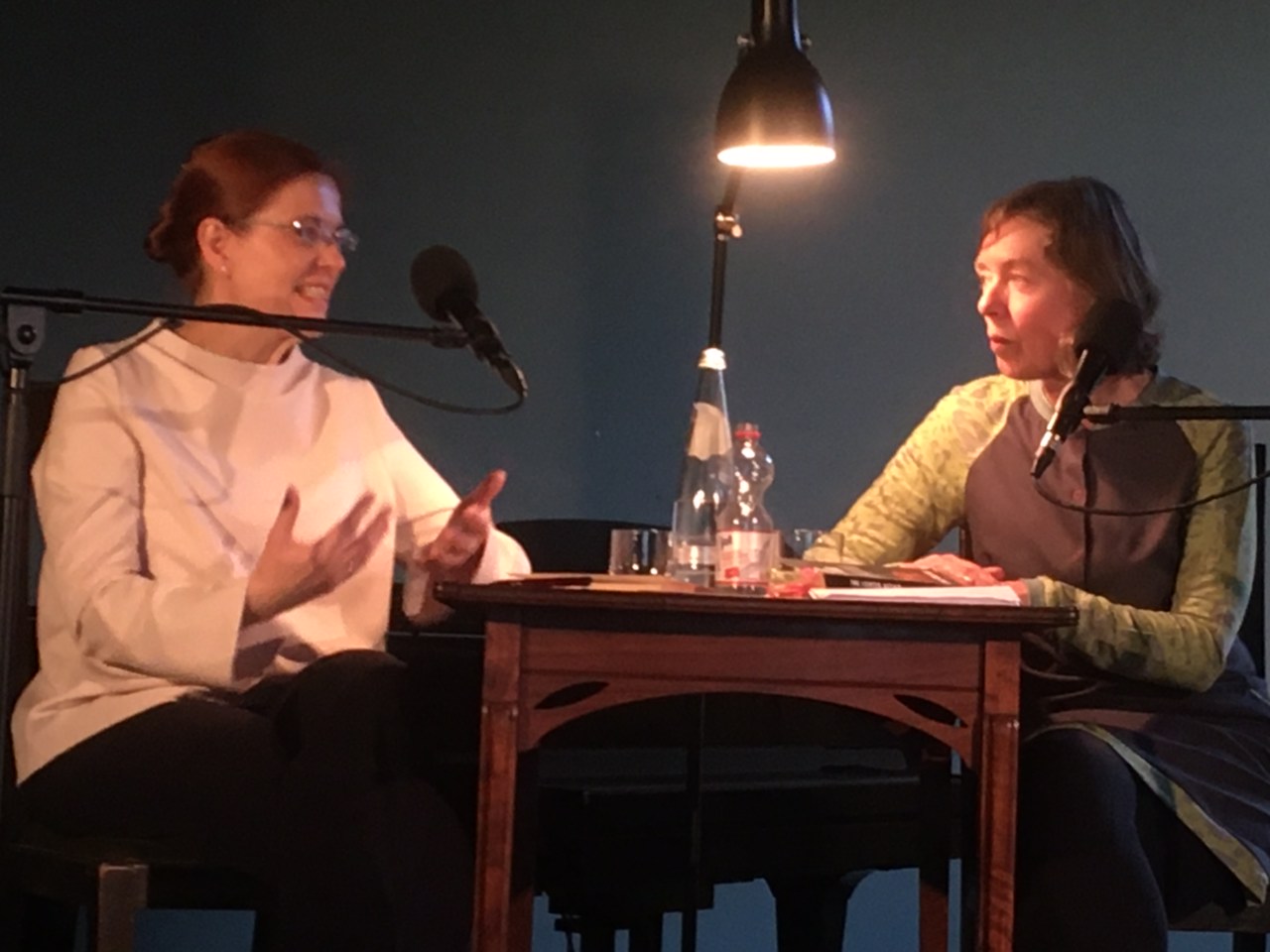
It was a great pleasure to read from The Leipzig Affair at the beautiful Literaturhaus in Halle on 18 September as part of a conference on the 'Second World' in ...
Buy Whisky Island
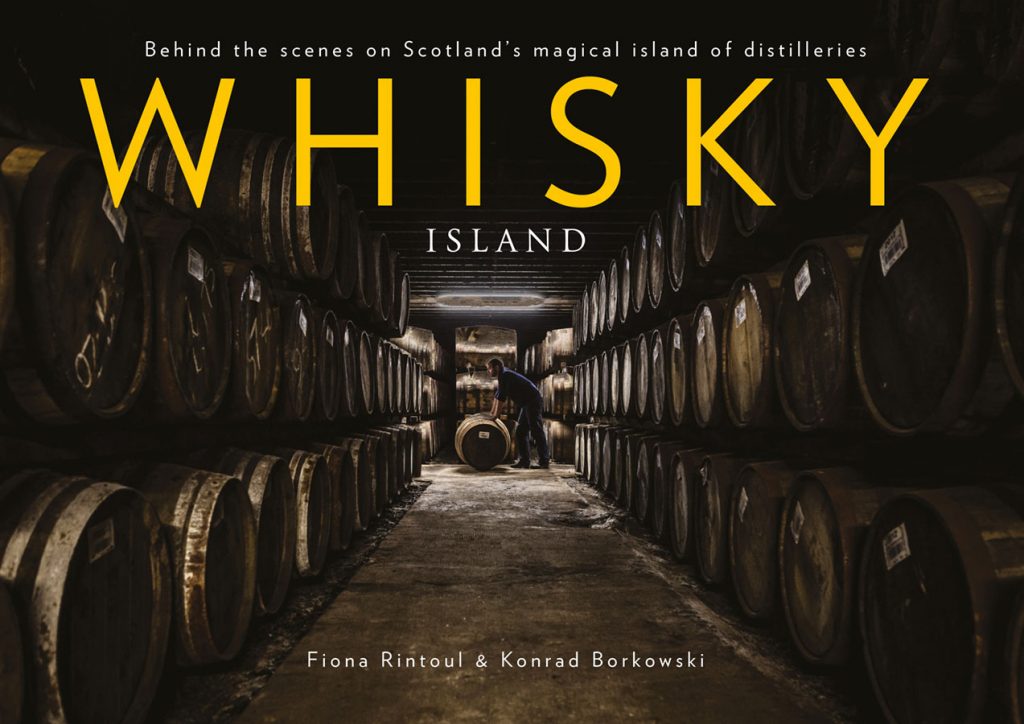
With stunning images by Jura-based photographer Konrad Borkowski, Whisky Island captures the magic of the Islay whisky distilleries and the personality of the people who run them. It is currently out of print due to the collapse of Freight Books, but you can buy one of the remaining signed copies while we plan a new edition.
Whisky IslandBuy The Leipzig Affair
Set in East Germany in the dying days of the Cold War, The Leipzig Affair is a tale of love, betrayal and redemption. I drew on my own experiences of studying at the Karl-Marx-University in Leipzig to write it. The actor Douglas Henshall read the male part when the book was serialised on BBC R4's Book at Bedtime.
The Leipzig Affair

Take my tour of Leipzig
Visiting the fascinating city of Leipzig? With my Voicemap tour, you can join me on a journey into Leipzig's communist past. Walk with me through this vibrant city's mediaeval centre and discover how it looked in the 1980s under the East German regime and what it was like to live there then.
Leipzig TourFiction & non-fiction
As a journalist turned author, I've written everything from experimental poetry to financial reports. My second novel, which is currently seeking a good home, is about an imaginary religion called Indigo and is set in a fictionalised version of Glasgow. I'm now working on a third novel and a non-fiction book about abandoned settlements in Harris and Lewis. The latter will be published by Birlinn.
MY BOOKS
Copywriting and training
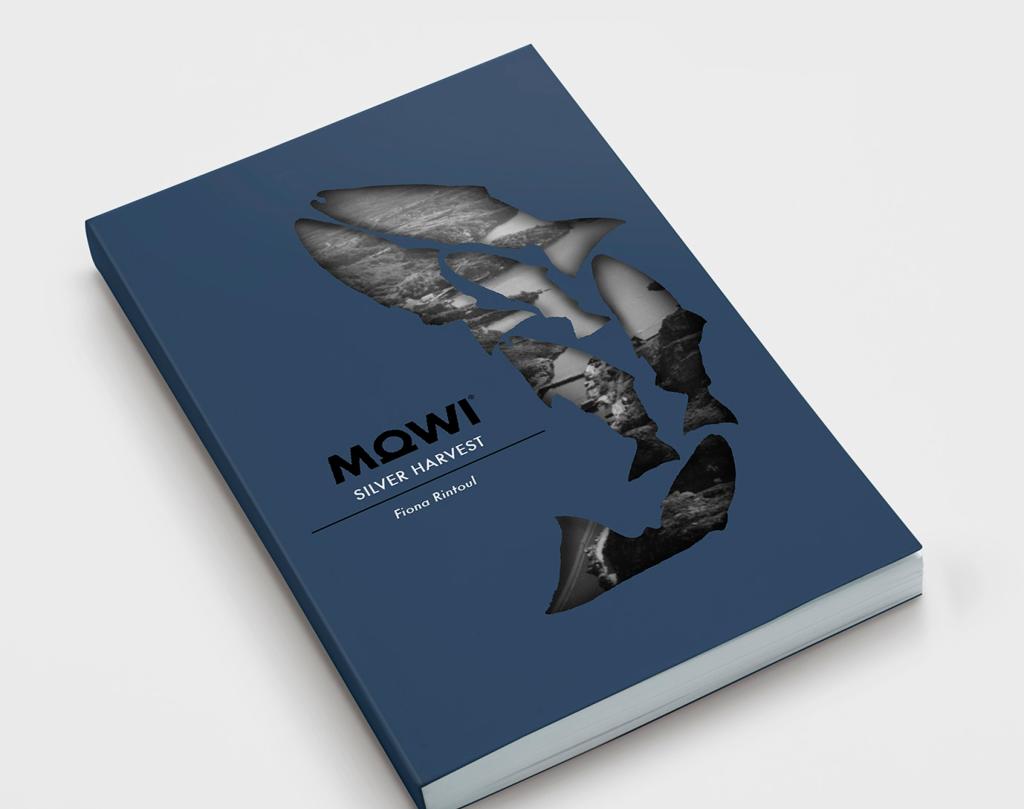
A professional writer brings clarity and polish to any writing project. I’ve produced content for projects as diverse as an imagined history of the early days of fish farming and data-based reports on cross-border fund sales in the European single market. I also provide corporate writing training and have worked with some of the world’s leading companies.
Work With MeTranslation
I translate art, literary and business texts from French and German into English. In 2014, I published Outside Verdun, a new translation of German-Jewish writer Arnold Zweig’s epic novel of the first world war, Erziehung vor Verdun. Brought out to mark the hundredth anniversary of the start of hostilities, Outside Verdun introduced a new English-speaking audience to an unjustly neglected German literary classic.
TRANSLATION